
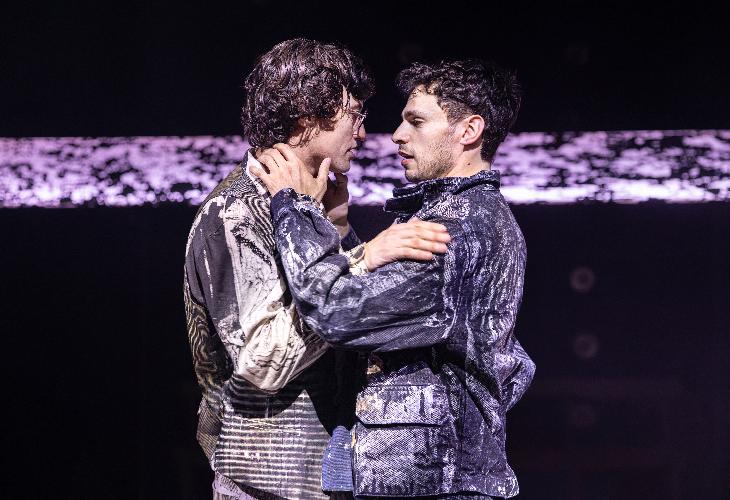
In the Rocky Horror Show, another musical that started small, in the Theatre Upstairs of the Royal Court, the Narrator announces he wants to take the audience on a ‘strange journey'. While ‘journey' has become a contemporary cliché, the modern metaphor reached for by social media influencers, actors and politicians, seeking to explain changes in their position or beliefs, it seems an appropriate image for Jordan Luke Gage's labour of love, Redcliffe, a story based on real life historical events, which he researched, then wrote the book, lyrics and music for, as well as playing one half of the doomed lovers, William Critchard.
The first journey to consider, therefore, is his, from talented solo performer to all-round creative catalyst. I will admit up front – as a good academic should – my biases, not just in favour of the medium of musical theatre, and to stories that further colour in the LGBT history of this country, but to the man himself. I have watched him develop as a performer over the last few years, in Covid-restricted online shows, a succession of stage hits, from Bat Out of Hell to Bonnie and Clyde and most recently Titanique, as well as one-off efforts, like Batboy and Roam. Blessed with a soulful, powerful voice – put to good use on the evening, particularly in the climactic moments of both acts – he has rapidly become a mainstay of the British musical theatre scene, but this more comprehensive contribution puts all of them in the shade. If this is what he is capable of, off stage as well as on, we can only hope that Rebecca Lock's final comment, in the sobering postscript – that there are more stories like this – is a portent of things to come for him and his team.
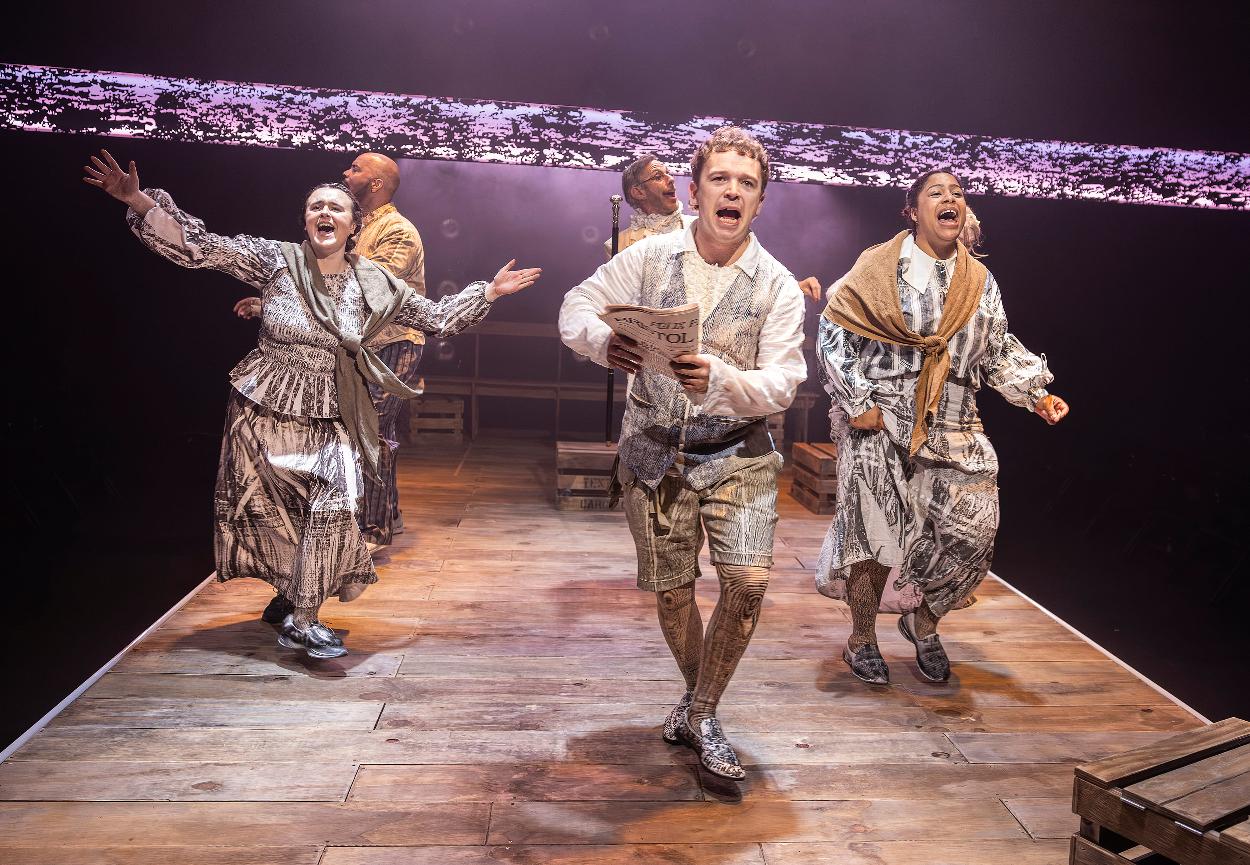
Then there is the journey of the show itself, which I have pleasingly witnessed at every stage, from the Turbine Theatre, as part of a showcase of new talent, to the Other Palace, for a fuller presentation of the material – which featured two of the mainstays of this family drama, the aforementioned Lock (as William's mother) and Jess Douglas Welsh, as his sister Abigail, ‘The Girl from Redcliffe', who has her own affecting subplot, involving a romantic flirtation cut short with Arthur (Joseph Peacock, also making the journey from the Other Palace with them). The main change in cast is the replacement of Liam Tamne with the chiselled good looks of Daniel Krikler, wholly convincing as the other half of the rapidly blossoming relationship, Richard Arnold.
At the centre of the story – similar in some senses to Romeo and Juliet, given the rapidity of the events of the first act – is the madness of love, as our two leading men engage in their own very dangerous liaison, in a world – 1752 – where homosexuality is both illegal and immoral, a crime against God and man. They move quickly from an accidental meeting – they literally bump into each other – to stilted barroom banter, geeky one-upmanship (‘A Million Things I Know', showcasing a most erudite set of lyrics) and an aborted amour, that is revived in the family home, with simple gestures (a surreptitious thumb stroke as they link hands with the rest of William's family) and looks that cannot be denied at a Christmas soiree), before consummating their passion in a local cave. Their journey together is not to be a happy one – they are separated for much of the second act, save a lovely dream sequence (‘I Am Found', a hauntingly beautiful number), but are reunited for their final act of commitment, a tragic triumph over the pettiness and prejudice of their own community. Of note here is the clever creativity of the production team, showing that you do not need expensive special effects to make a simple but telling point as their story reaches its poignant end.
Special mention must also be made of Rebecca Lock. Even though he has been involved in every stage of the creative process, from research to writing to a touching central role in the romantic drama unfolding, this is not simply a star vehicle for Jordan Luke Gage. He has been generous in the roles and songs given to his cast, from Krikler's ‘Rough and Winding' opener to a series of ensemble numbers as the local community takes their own journey, turning from drunken revelry in the local inn – ‘A Pint or Four' – to standing in judgement of these two young men, whose only crime is to love each other (‘Did you hear?'). Lock makes even greater impact, helped by the fact that, in the first act, she is primarily there to inject humour into the proceedings, which she does exceptionally well. As the meddling matriarch, seeking matrimonial bliss for her only son, she misunderstands the situation beautifully (The Most Amazing Wedding'), aided and abetted by her daughter, Abigail. That makes the gut punch of the second act even more telling, as she confronts the law, her local community and eventually the loss of her boy. The two-hander scene between mother and son, as important for what is not said as for what was, her barnstorming musical moment, ‘Hurricane' – possibly the best song of the show – and her final moments with William and Richard added further emotional depth to the proceedings.
So, I heartily recommend you go on this journey for yourself – whether you are a lover of musical theatre (which constantly needs to be refreshed with high-quality new shows like this one), of historical drama, of love stories like this (not just between the two men, but within a resilient family unit), there is something here for you. Join the talented cast on this step of their journey – before it undoubtedly and deservedly takes the next step, to an even bigger stage.
It runs until 4 July.
Review: David Brown Photos: Pamela Raith