
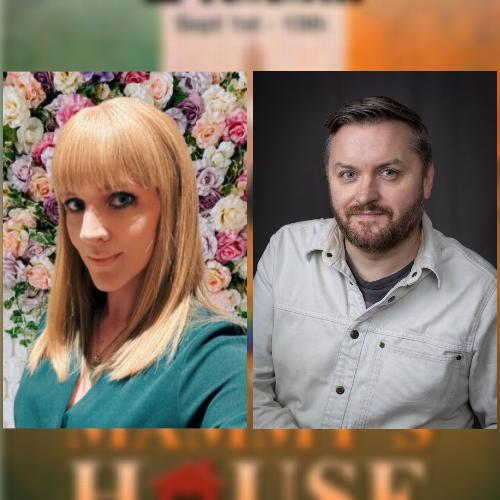
Set in Camden in 1985, Mammy's House follows a group of Irish friends who have created a home and chosen family together after leaving Ireland in search of greater acceptance. But as the AIDS epidemic takes hold and discrimination continues to shape everyday life, their relationships are tested in ways they never imagined. The production was developed over two years through extensive research and conversations with members of London's Irish LGBTQ+ community. The show comes to Upstairs at the Gatehouse from 1st – 13th September 2026.
Created by Irish actor, producer and presenter Derek Murphy, it is written by Amy Clarke and directed by Brian Brady.
We had a chat with Amy and Derek.
Amy mentioned the concept of a "double exile" faced by queer Irish migrants moving to London in 1985. How did setting the play inside a specific Camden terrace house help you explore both the hostility of the era and the safety found within a "chosen family"?
We spent almost two years doing the research and development of this play and when we finished, we were overwhelmed with the sheer volume of stories and information we had been given. We sat with it for a while, trying to think about what our next step was going to be. The original plan for the play had been to do the piece as a one-man show for myself but we quickly realised that the sheer scale of the story lent itself to something bigger. We wanted to include as many different elements from our research as we could and the theme of chosen family was a theme that popped up alot in the people that we spoke to so it seemed like the perfect setting. We wanted to show the real story of real people in a real place going through what must have felt like an unreal time period.
You spent two years developing Mammy's House alongside activists like Bernárd Lynch and historian Dr Joseph Healy. How did you approach translating those deeply personal, lived testimonies into a cohesive narrative without losing the authenticity of their real-life experiences?
There is a huge feeling of responsibility when you are dealing with people's true stories and lived experiences and you want to take care that the story you tell is respectful and authentic to what people like Joseph and Bernard shared with us. We heard so many stories from so many amazing people that we couldn't just base it all on one specific person or one specific event. We wanted to tell the story of ordinary people during an extraordinary time and we have tried to incorporate many different parts of people's stories into our characters and the journey that they all go on.
The play deals with the height of the AIDS crisis and rampant discrimination, yet Derek notes that the show honours this history with "dignity, humour, and truth." How did you weave London-Irish wit and warmth into a story marked by such devastating loss?
Humour is such a huge part of Irish culture and society and I think it resonates in everything that we do. We seem to be especially good at finding humour in the darkest of times weather that be witty banter at a funeral or finding a way to make someone smile during the toughest of moments and as we were aiming to be as truthful as possible with the story that we are trying to tell then naturally Irish humour is a big part of that and we hope we have done it justice. So essentially we really do hope to make you laugh, make you cry and make you think.